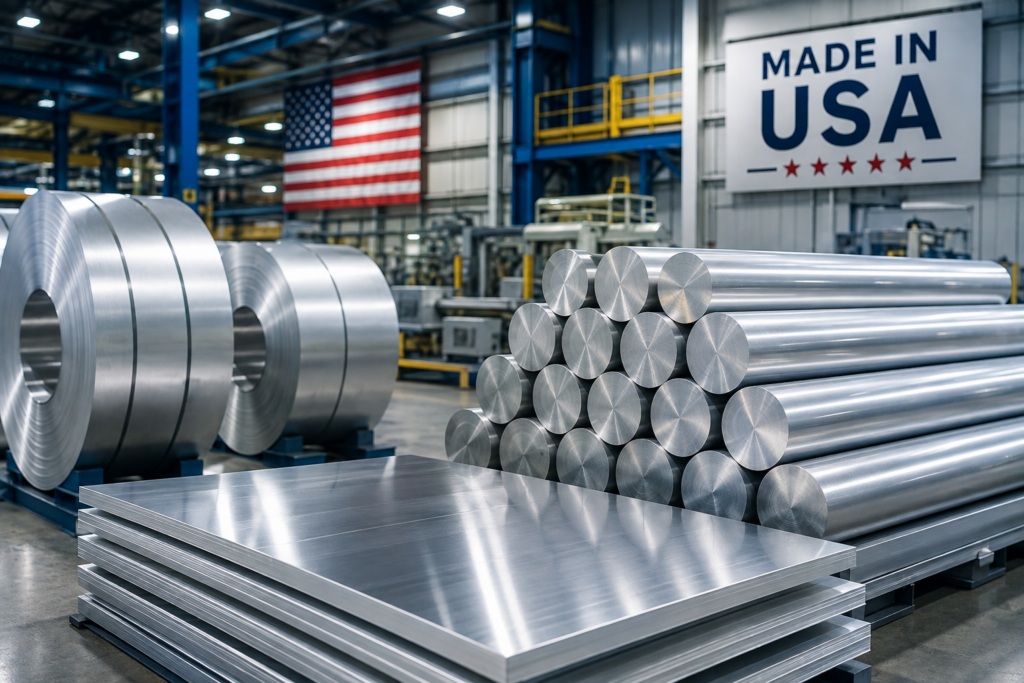
On July 20, 2026, President Trump signed a proclamation establishing a new Section 232 aluminum incentive program that rewards companies investing in U.S. primary aluminum production. Companies with approved onshoring plans may qualify to import primary aluminum at half the otherwise applicable Section 232 duty rate, creating one of the first investment-based incentives under the current Section 232 tariff framework.
Background: How We Got Here
Section 232 tariffs on aluminum, steel, and copper were significantly restructured earlier this year. Effective April 6, 2026, a presidential proclamation changed how those duties are calculated. Tariffs now apply to the full customs value of covered articles and derivatives, regardless of actual metal content, rather than only to the value of the metal portion.
Rates currently reach as high as 50% for primary aluminum, steel, and most copper articles, 25% for many derivatives, and a 15% transitional rate for certain metal-intensive industrial and electrical grid equipment through the end of 2027.
That valuation change materially increased duty exposure across manufacturing, construction, energy, and consumer goods sectors that rely on metal inputs. The new incentive program builds on that broader Section 232 framework by encouraging domestic aluminum production.
How the Incentive Program Works
- Companies may submit onshoring plans to the Secretary of Commerce committing to build, expand, or refurbish a U.S. primary aluminum production facility. Construction must begin no later than January 20, 2029.
- Commerce will evaluate plans based on factors including construction timelines, commercial feasibility, project milestones, and anticipated annual production capacity.
- Once approved, companies may import primary aluminum in quantities tied to the facility’s reasonably anticipated annual output at half the otherwise applicable Section 232 tariff rate. At today’s rates, that would reduce the duty from 50% to an effective 25% on approved import volumes.
- For refurbishment projects, the tariff benefit is capped at the value of the company’s qualifying investment.
- Companies that fail to comply with an approved onshoring plan may lose program benefits. In cases involving fraud or material misrepresentation, Commerce may rescind benefits retroactively and assess additional duties, fines, or other penalties.
What Importers Should Do
- Determine whether your company, parent organization, or suppliers may qualify for the program before assuming any tariff relief applies.
- Continue budgeting for existing Section 232 duty rates. The incentive program does not change the broader tariff structure for companies that are not approved participants.
- Manufacturers considering new or expanded U.S. primary aluminum production should begin evaluating whether an onshoring plan could provide long-term tariff savings.
- Monitor future Commerce Department guidance. Application procedures, eligibility requirements, and program administration details have not yet been released.
ASK Alba™
Contact the Alba team, out team is ready to assist you.
Want updates like this in your inbox? Subscribe to the newsletter.
References
- White House: Strengthening Actions Taken To Adjust Imports of Aluminum, Steel, and Copper Into the United States (April 2, 2026 proclamation): https://www.federalregister.gov/documents/2026/04/09/2026-06960/strengthening-actions-taken-to-adjust-imports-of-aluminum-steel-and-copper-into-the-united-states
- CBP CSMS #68253075: Guidance on Section 232 Duties on Imports of Aluminum, Steel, and Copper: https://content.govdelivery.com/accounts/USDHSCBP/bulletins/4117593
- PwC: US Establishes Aluminum Onshoring Investment Incentive Program Under Section 232: https://www.pwc.com/ca/en/services/tax/publications/tax-insights/us-aluminum-onshoring-investment-incentive-program-2026.html