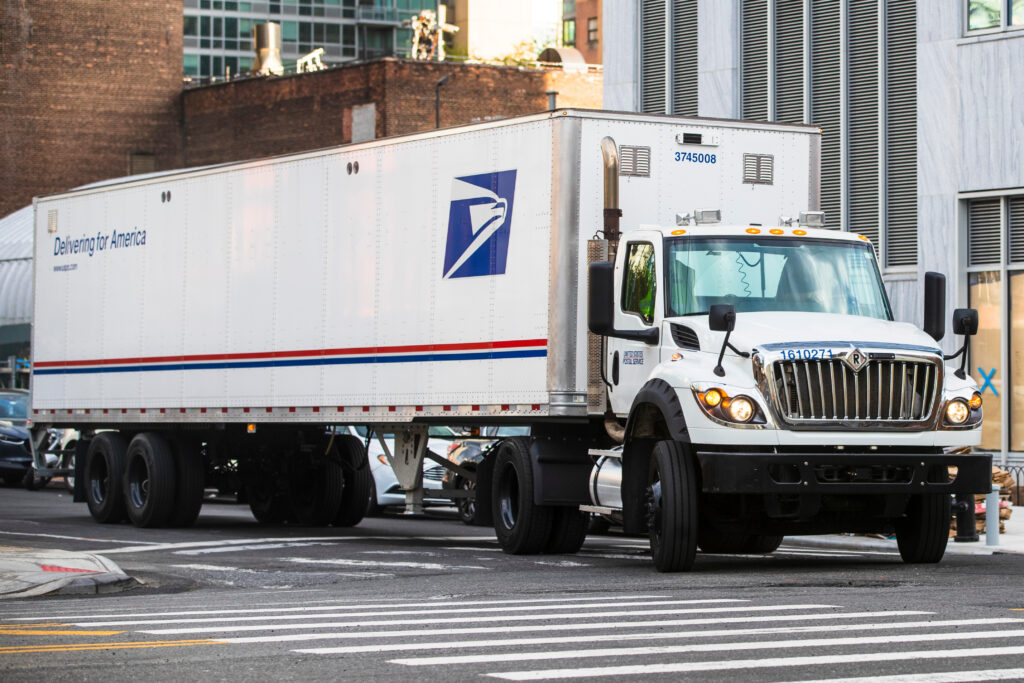
Importers using international mail now face new customs entry requirements
As of July 24, 2026, U.S. Customs and Border Protection (CBP) has implemented a new postal informal entry process following the suspension of de minimis treatment for international mail shipments. At the same time, CBP has launched testing for Entry Type 13 (ET13), a new electronic filing option that will move into full production later this year.
Companies that import products through the U.S. Postal Service should review these changes now to ensure shipments continue moving without unnecessary delays or compliance issues.
Why the Rules Changed
Earlier this year, CBP indefinitely suspended the de minimis administrative exemption under 19 U.S.C. § 1321(a)(2)(C)for imported merchandise valued at $800 or less. While the change took effect for non postal shipment methods earlier in the year, CBP delayed implementation for international mail.
That transition period has now ended.
Effective July 24, 2026, qualifying international mail shipments must be entered using CBP’s new postal informal entry process established under 19 CFR Part 145, replacing the previous flat rate, carrier collected duty model.
What Importers Must Do
Under the new interim postal entry process, eligible filers must:
- Report the complete 10 digit HTSUS classification, country of origin, and customs value for each shipment.
- Maintain a qualifying continuous customs bond.
- Submit a monthly International Mail Duty Worksheet (IMDW) to CBP no later than the seventh day of the month following the shipment’s arrival.
These new requirements place greater responsibility on importers to ensure shipment data is complete and accurate before goods arrive in the United States.
Not Every Shipment Qualifies
Certain products cannot use the new postal informal entry process and instead require formal entry or Entry Type 13.
These include:
- Merchandise subject to antidumping or countervailing duties (AD/CVD)
- Quota merchandise
- Products regulated by Partner Government Agencies (PGAs)
- Alcohol
- Tobacco
- HTSUS Chapter 98 and Chapter 99 merchandise
CBP has delayed enforcement of most of these exclusions until October 22, 2026, giving importers additional time to review their products and determine the correct entry process.
Entry Type 13 Brings Electronic Filing to USPS Imports
Alongside the new postal process, CBP is testing Entry Type 13 (ET13), a new Automated Commercial Environment (ACE) entry type designed specifically for international mail shipments valued at $2,500 or less.
Unlike the interim worksheet process, ET13 allows eligible importers and customs brokers to file entries electronically through ACE.
The test entered CBP’s ACE Certification environment on July 24, 2026, with full Production deployment scheduled for September 22, 2026.
Under the test:
- Owners, purchasers, and their licensed customs brokers may file electronically through ACE.
- International mail carriers may transmit USPS tracking numbers as part of their manifest filings.
- CBP will continue issuing implementation guidance and updates through the Cargo Systems Messaging Service (CSMS).
For companies that regularly import through the mail, ET13 may significantly streamline compliance once production begins.
Key Dates to Remember
July 24, 2026
- New postal informal entry process takes effect.
- ET13 testing begins in the ACE Certification environment.
September 22, 2026
- ET13 scheduled to move into the ACE Production environment.
October 22, 2026
- CBP begins enforcing most exclusions from the interim postal entry process.
What Importers Should Do Now
Importers using international mail should take the following steps:
- Determine whether shipments qualify for the new postal informal entry process.
- Confirm a continuous customs bond is in place.
- Establish a recurring reminder to submit the monthly International Mail Duty Worksheet by the seventh day of each month.
- Review products for AD/CVD, quota, PGA, alcohol, tobacco, and Chapter 98 or 99 classifications that may require formal entry or ET13.
- Evaluate participation in the ET13 test if international mail is a significant part of your supply chain.
Preparing now can help avoid delays while positioning your business for CBP’s transition to electronic postal entry processing.
Questions about how the new postal entry process affects your mail shipments?
ASK Alba™, our trade compliance team, can help you evaluate your options and get set up for compliant entry filing. Get in touch here.
References