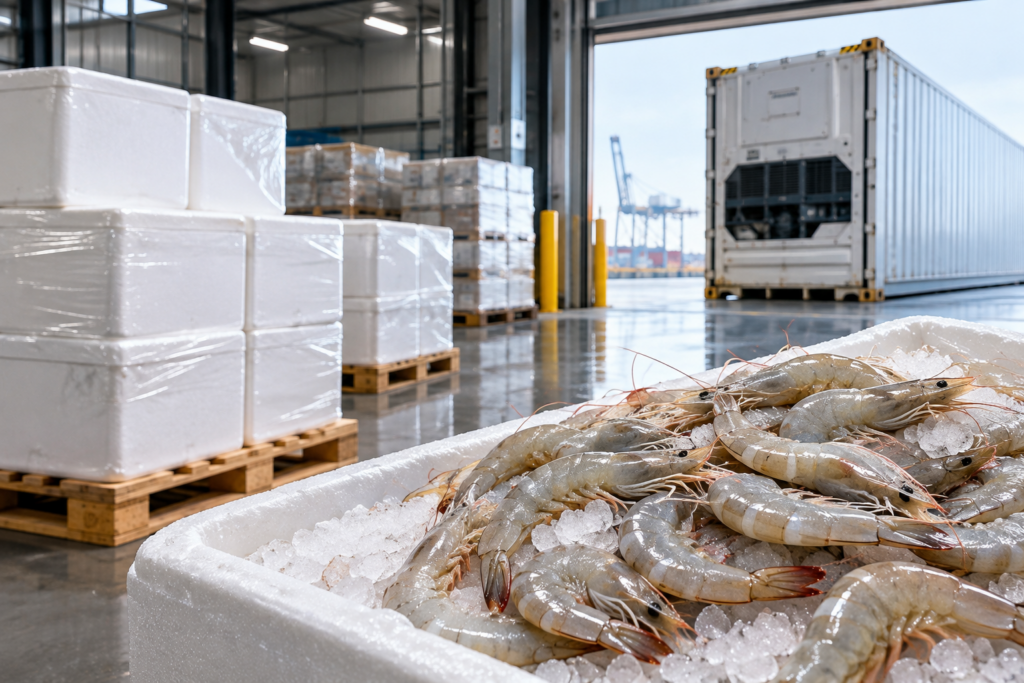
The U.S. Department of Commerce has issued the final results of its latest antidumping duty administrative review of certain frozen warmwater shrimp from Vietnam. New cash-deposit rates apply to entries made on or after November 6, 2026, the date the results were published in the Federal Register.
Deposit rates increased for most reviewed Vietnamese exporters with separate rates and decreased for one mandatory respondent. Importers will also receive final assessments on entries made during the review period, February 1, 2024, through January 31, 2025.
Final Antidumping Rates
Commerce assigned the following final weighted-average dumping margins:
- Fimex Group (Sao Ta Foods Joint Stock Company, FIMEX VN, Sao Ta Seafood Factory, and Khang An Foods Joint Stock Company): 10.71%
- Soc Trang Seafood Joint Stock Company (STAPIMEX): 6.36%
- 27 other exporters eligible for a separate rate: 7.59%
- Vietnam-wide entity (131 companies): 25.76%
The 7.59% separate rate is the weighted average of the margins calculated for the Fimex Group and STAPIMEX. The Vietnam-wide entity was not under review, so its 25.76% rate did not change.
How Deposit Rates Are Changing
For future entries, the new rates represent significant changes for several exporters:
- Fimex Group: increases to 10.71% from 4.28%
- 27 separate-rate exporters: increase to 7.59% from 4.28%
- STAPIMEX: decreases to 6.36% from the 25.46% deposit rate set in the prior review
According to the Southern Shrimp Alliance, the Fimex Group’s 10.71% margin is the highest dumping margin calculated for an independent Vietnamese exporter since the antidumping order took effect in 2005.
Exporters that did not establish eligibility for a separate rate remain subject to the 25.76% Vietnam-wide rate. Non-Vietnamese exporters without their own rate receive the rate of the Vietnamese exporter that supplied the shrimp.
Importers Could Owe Additional Duties on Past Entries
Antidumping duties are assessed retrospectively. The final results determine the actual duties owed on entries made during the review period, which may differ from the deposits paid at entry.
Where the final assessment rate is higher than the deposit rate in effect at the time of entry, importers will be billed for the difference plus interest when CBP liquidates the entries. The Southern Shrimp Alliance estimates that importers of STAPIMEX shrimp could owe more than $9.2 million and importers of Fimex shrimp more than $6.3 million in additional antidumping duties for the review period.
Commerce intends to issue assessment instructions to CBP no earlier than 35 days after publication. If a party files a timely appeal at the Court of International Trade, liquidation of the affected entries may be delayed.
Which Products Are Covered?
The antidumping order covers certain frozen warmwater shrimp from Vietnam, including shell-on and peeled shrimp, whether raw or cooked, in a range of frozen forms and package sizes. Importers should compare products with the full written scope of the order, since classification alone does not determine coverage.
Shrimp produced and exported by certain companies, including Minh Phu Seafood Corporation, have been excluded from the order. Exclusions apply only to the specific producer and exporter combinations Commerce has identified.
What Importers Should Do Now
Importers of Vietnamese shrimp should:
- Confirm the producer and exporter for each shipment and the rate that applies.
- Update cash-deposit rates for entries made on or after November 6, 2026.
- Identify unliquidated entries from February 1, 2024, through January 31, 2025, and estimate potential additional duties.
- Recalculate landed costs for Fimex Group and separate-rate exporters, whose deposit rates have increased.
- Review customs-bond sufficiency in light of higher deposits and potential assessment bills.
- Review supplier contracts for responsibility for antidumping duties and assessments.
- File required reimbursement certifications before liquidation.
- Monitor CBP’s liquidation instructions and any Court of International Trade appeals.
Importers must file a certificate regarding the reimbursement of antidumping duties before liquidation. If the certificate is not filed, Commerce may presume that the importer was reimbursed, which can result in double antidumping duties.
Alba previously covered antidumping developments affecting another major shrimp supplier in Commerce Finalizes New Antidumping Rates for Indian Shrimp.
ASK Alba™: Contact the Alba team for help confirming applicable deposit rates, estimating assessment exposure on past entries, or reviewing bond sufficiency.
Subscribe to the ASK Alba™ Trade Brief for updates on seafood imports, trade remedies, and customs compliance.
References
- Federal Register, Certain Frozen Warmwater Shrimp From the Socialist Republic of Vietnam: Final Results of Antidumping Duty Administrative Review; 2024-2025, 91 FR 70048 (November 6, 2026) (A-552-802)
- Federal Register, Certain Frozen Warmwater Shrimp From the Socialist Republic of Vietnam: Preliminary Results and Rescission, in Part, of Antidumping Duty Administrative Review; 2024-2025, 91 FR 27002 (May 13, 2026)
- Federal Register, Certain Frozen Warmwater Shrimp From the Socialist Republic of Vietnam: Final Results of and Final Rescission of Review, in Part, of Antidumping Duty Administrative Review; 2023-2024, 91 FR 8429 (February 23, 2026) (prior review)
- Southern Shrimp Alliance, Commerce Announces Highest Calculated Dumping Rate for a Vietnamese Shrimp Exporter in Twenty Years (November 2026)
- Electronic Code of Federal Regulations, 19 CFR 351.402(f), Reimbursement of Duties