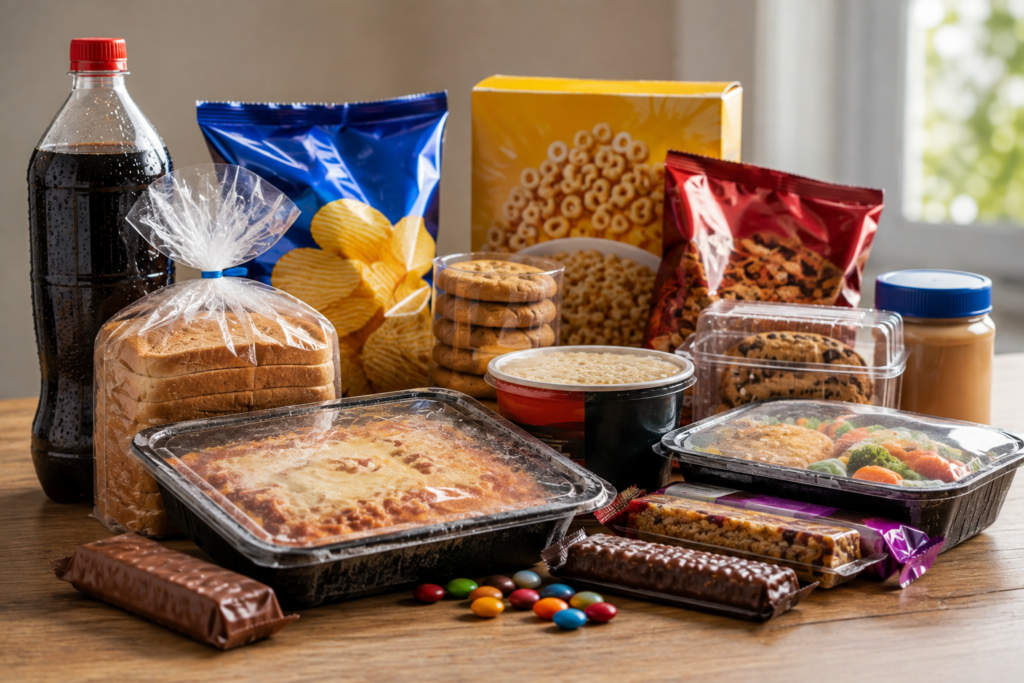
On August 10, 2026, the U.S. Department of Health and Human Services (HHS) announced two significant actions affecting the regulation of food ingredients. The Food and Drug Administration (FDA) issued a proposed rule that would require manufacturers to notify the agency whenever they conclude a substance added to human or animal food is Generally Recognized as Safe (GRAS). Separately, HHS and the U.S. Department of Agriculture (USDA) submitted for final review the federal government’s first proposed definition of ultra-processed foods (UPFs).
Mandatory GRAS Notification
Since Congress established the GRAS exemption in 1958, manufacturers have been permitted to independently conclude that a substance is generally recognized as safe under its intended conditions of use, without notifying FDA. While the agency has long maintained a voluntary GRAS notification program, companies have not been required to participate.
The proposed rule would end that voluntary structure, making GRAS notification mandatory and expanding FDA’s public-facing inventory of submitted notices. For substances already on the market based on a manufacturer’s independent GRAS conclusion, the proposal includes a time-limited streamlined submission pathway, allowing companies to provide FDA with information on existing uses so the agency can prioritize post-market safety evaluations while limiting additional regulatory burden.
First Federal Definition of Ultra-Processed Foods
HHS and USDA also submitted for final review the federal government’s first proposed definition of ultra-processed foods. No standardized federal definition has previously existed, which has limited consistency in UPF-related research across federal agencies. The proposed definition incorporates feedback gathered from industry, consumer organizations, researchers, and members of the public.
What Importers Should Do
Food and food ingredient importers should begin preparing now:
- Inventory ingredients currently marketed under a self-determined GRAS conclusion, since these may require submission through the streamlined pathway once the rule is finalized.
- Monitor the proposed rule’s comment period and finalization timeline, as mandatory notification will directly affect supplier documentation and FSVP recordkeeping for imported ingredients.
- Watch for the finalized UPF definition, which could eventually influence labeling, procurement standards, or import documentation requirements for affected product categories.
- Coordinate with foreign suppliers now to confirm GRAS determinations are well-documented and ready for notification if the rule is adopted as proposed.
Have questions about how these proposed reforms could affect your food or ingredient imports?
Ask Alba™ Our trade compliance team is here to help. Contact us today.
References
Federal Register: Substances Generally Recognized as Safe (Public Inspection)