The Environmental Protection Agency (EPA) has issued a final rule updating the industry testing and product standards referenced in its formaldehyde emission rules for composite wood products. The rule was published in the Federal Register on October 28, 2026 (91 FR 67771) and takes effect on November 27, 2026.
The rule finalizes the proposal EPA issued in February, which Alba covered in EPA Proposes Update to Formaldehyde Standards for Composite Wood Products (TSCA Title VI). As expected, it is a technical housekeeping update: emission limits do not change, and EPA states the rule adds no new costs or paperwork for the regulated community.
Background: TSCA Title VI
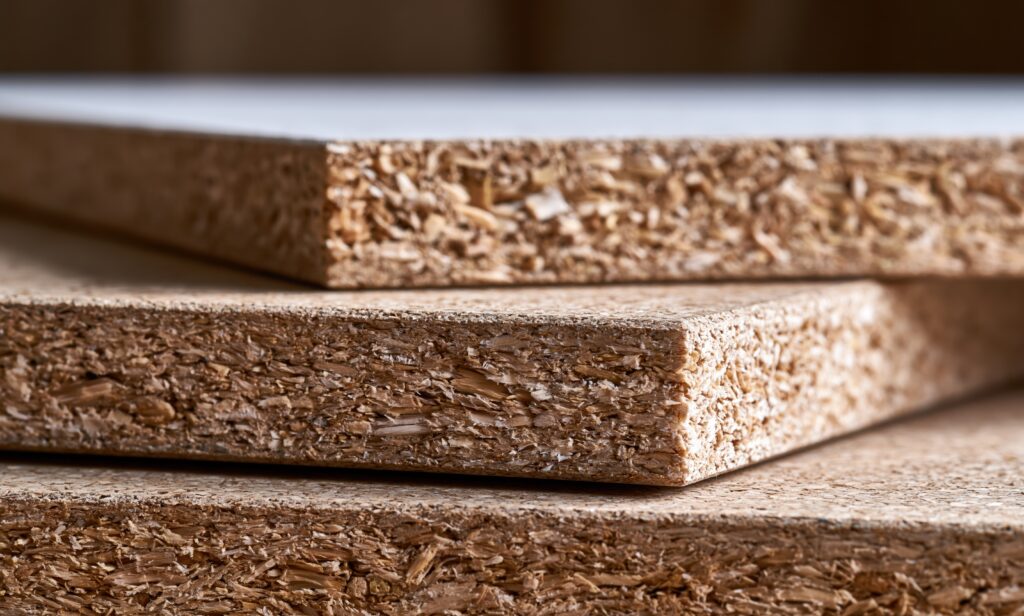
Under Title VI of the Toxic Substances Control Act (TSCA), codified at 40 CFR part 770, hardwood plywood, medium-density fiberboard (MDF), particleboard, and finished goods made with them (such as furniture, cabinets, and flooring) must meet formaldehyde emission limits. Panels must be certified by an EPA-recognized third-party certifier (TPC), an independent organization that tests and audits panel producers. The rule relies on published “voluntary consensus standards,” meaning test methods and product definitions developed by bodies such as ASTM, ISO, and ANSI, and EPA periodically updates the editions it references.
What the Final Rule Changes
EPA updated six referenced standards to their current editions:
- ASTM E1333-22 (large chamber test method), replacing the 2014 edition
- ASTM D6007-22 (small-scale chamber test method), replacing the 2014 edition
- ASTM D5582-22 (desiccator quality control method), replacing the 2014 edition
- ISO 12460-3:2023 (gas analysis quality control method), replacing the 2020 edition
- PS 1-22 (structural plywood product standard), replacing PS 1-19
- ANSI A190.1-2022 (structural glued laminated timber), replacing the 2017 edition
The rule also makes two other changes:
- New optional test method: ISO 12460-2:2024, a small-scale chamber method, is added as a quality control option for panel producers. EPA notes it accommodates newer technologies such as laser absorption spectroscopy. It is subject to the same correlation requirements as other quality control methods.
- Duplicate standard removed: The British Standards version of ISO 12460-3 is dropped because it is identical to the ISO version, which remains available. This is the one change from the February proposal, which had asked whether to keep both.
No Transition Period
The updated editions apply as of November 27, 2026, with no phase-in. EPA explained that the new editions are technically consistent with the prior ones and are not expected to change any compliance determinations. All eight substantive public comments EPA received supported the update. EPA also said that future standard editions with substantive changes may come with defined transition periods.
What This Means for Importers
The rule does not change labeling, import certification, or recordkeeping requirements for importers, fabricators, distributors, or retailers. Composite wood products and finished goods containing them must still come from certified sources, carry compliant labels, and be covered by TSCA import certification at entry.
The practical impact falls mainly on panel producers and TPCs, which will need to reference the updated test editions in their testing and quality control programs. For importers, the main task is making sure supplier documentation stays current.
Action Items
- Ask overseas panel producers and fabricators to confirm their TPC is aware of the updated test method editions effective November 27, 2026.
- Spot-check supplier certificates and test reports going forward; reports issued after the effective date should reference the current editions (for example, ASTM E1333-22 or D6007-22).
- Continue to confirm that every shipment of covered panels or finished goods is properly labeled and that your TSCA import certification is accurate.
- Keep supplier compliance records on file as usual; no new recordkeeping is required.
ASK Alba™ Importing furniture, cabinetry, flooring, or other composite wood products? Alba’s team can help you review supplier documentation, TSCA certifications, and labeling before your goods reach the border. Contact us today.
References
- Federal Register: Voluntary Consensus Standards Update; Formaldehyde Emission Standards for Composite Wood Products, Final Rule (91 FR 67771, Oct. 28, 2026)
- Federal Register: Proposed Rule (91 FR 6161, Feb. 11, 2026)
- EPA: Formaldehyde Emission Standards for Composite Wood Products
- Docket EPA-HQ-OPPT-2017-0245 at Regulations.gov