New carrier services and changing port calls could affect fumigation capacity, routing and delivery timelines for Chilean fruit entering the U.S. East Coast.
Importers of Chilean grapes and other fresh fruit should prepare for changes to traditional East Coast shipping patterns ahead of the upcoming Chilean fruit season.
Seaboard Marine plans to extend its West Coast South America container service into Chile with discharge at Gloucester, New Jersey, while specialized refrigerated carrier Seatrade is also shifting its Chilean service from Wilmington, Delaware, to Gloucester.
Together, the moves could concentrate significantly more Chilean refrigerated cargo at Gloucester and put additional pressure on the region’s specialized cold-storage and fumigation infrastructure.
Fumigation Capacity Is a Key Factor
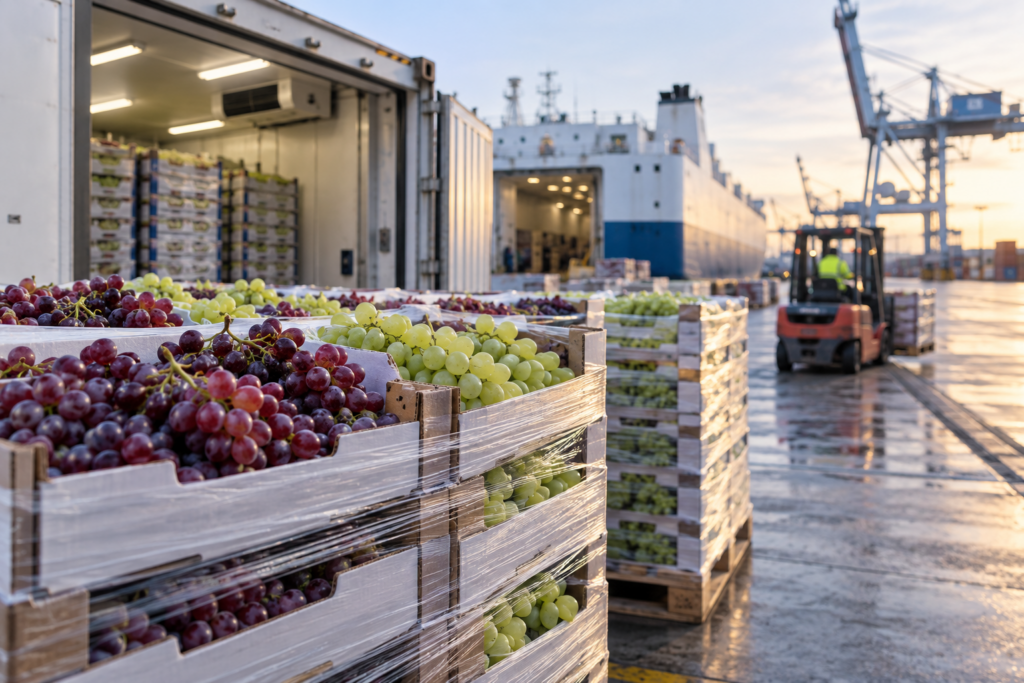
The issue is particularly important for table grapes. Chilean table grapes entering the United States require methyl bromide fumigation before they can be released into the market.
Historically, specialized refrigerated vessels have handled much of the East Coast Chilean fruit trade, with cargo arriving at terminals along the Delaware River that have cold-storage facilities capable of supporting fumigation.
Containerized fruit arriving at Philadelphia’s Packer Avenue Marine Terminal also relies on fumigation capacity. During peak periods, when capacity at Packer Avenue has been constrained, some cargo has been moved across the Delaware River to Gloucester for treatment.
With additional Chilean volume now expected at Gloucester, that overflow option could become more limited during the busiest weeks of the season.
Importers May Need to Reconsider Routing
The changing port calls could have implications beyond where vessels discharge.
If fumigation capacity becomes constrained, containers arriving at Packer Avenue could face longer waits before cargo can be released. Carriers may also consider alternative arrangements, including directing some volume through Wilmington, where fumigation capacity could become more available following Seatrade’s departure.
For importers of highly perishable commodities, even relatively short delays can have downstream consequences for inventory planning, trucking appointments, distribution schedules and product shelf life.
The shift also highlights the growing importance of evaluating the entire cold-chain network rather than selecting a routing based solely on ocean transit time.
Panama Canal Adds Another Variable
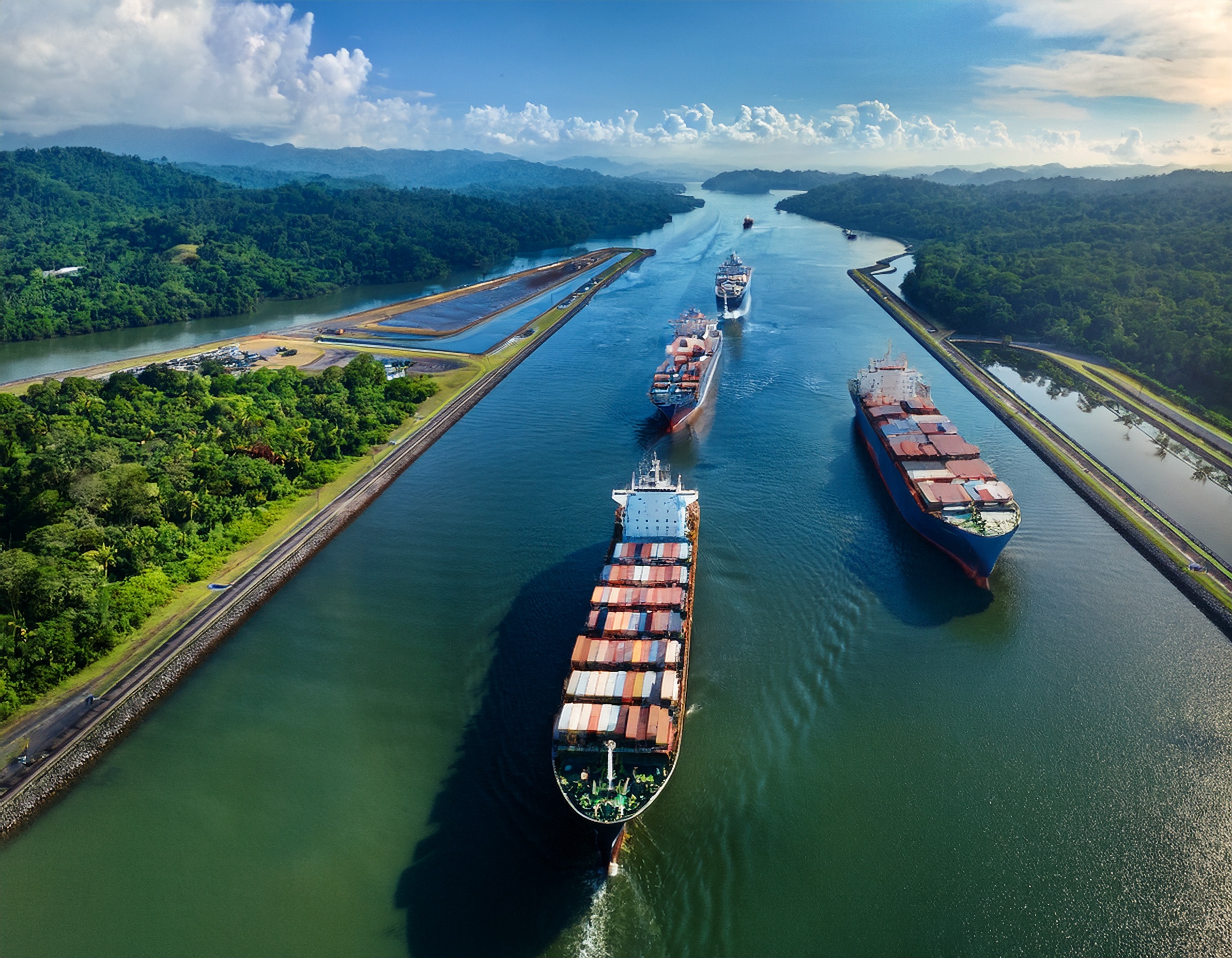
Panama Canal transit conditions could further complicate the upcoming season. Reservation requirements and limitations on available crossing days can affect service reliability for vessels moving between Chile and the U.S. East Coast.
Weather conditions and rainfall will remain important factors affecting canal operations, making advance planning particularly important for carriers and shippers during the seasonal surge.
What Importers Should Do Now
Ahead of the Chilean fruit season, importers should review planned port routings, confirm fumigation arrangements and understand how their carriers intend to manage potential capacity constraints.
Importers should also build additional flexibility into transportation and delivery plans, particularly during peak arrival periods when cold-storage, fumigation and drayage capacity may be under the greatest pressure.
The changes do not necessarily mean disruption is inevitable, but they do change the logistics equation for Chilean produce moving to the East Coast. Early coordination among importers, customs brokers, carriers, terminals and cold-storage providers can help reduce the risk of unexpected delays.
Contact the Alba team to discuss your upcoming Chilean produce imports and how changing port and fumigation capacity could affect your supply chain.
Subscribe to the ASK Alba™ Trade Brief for the latest trade, customs and regulatory developments affecting U.S. importers.
Source: Journal of Commerce, September 17, 2026.