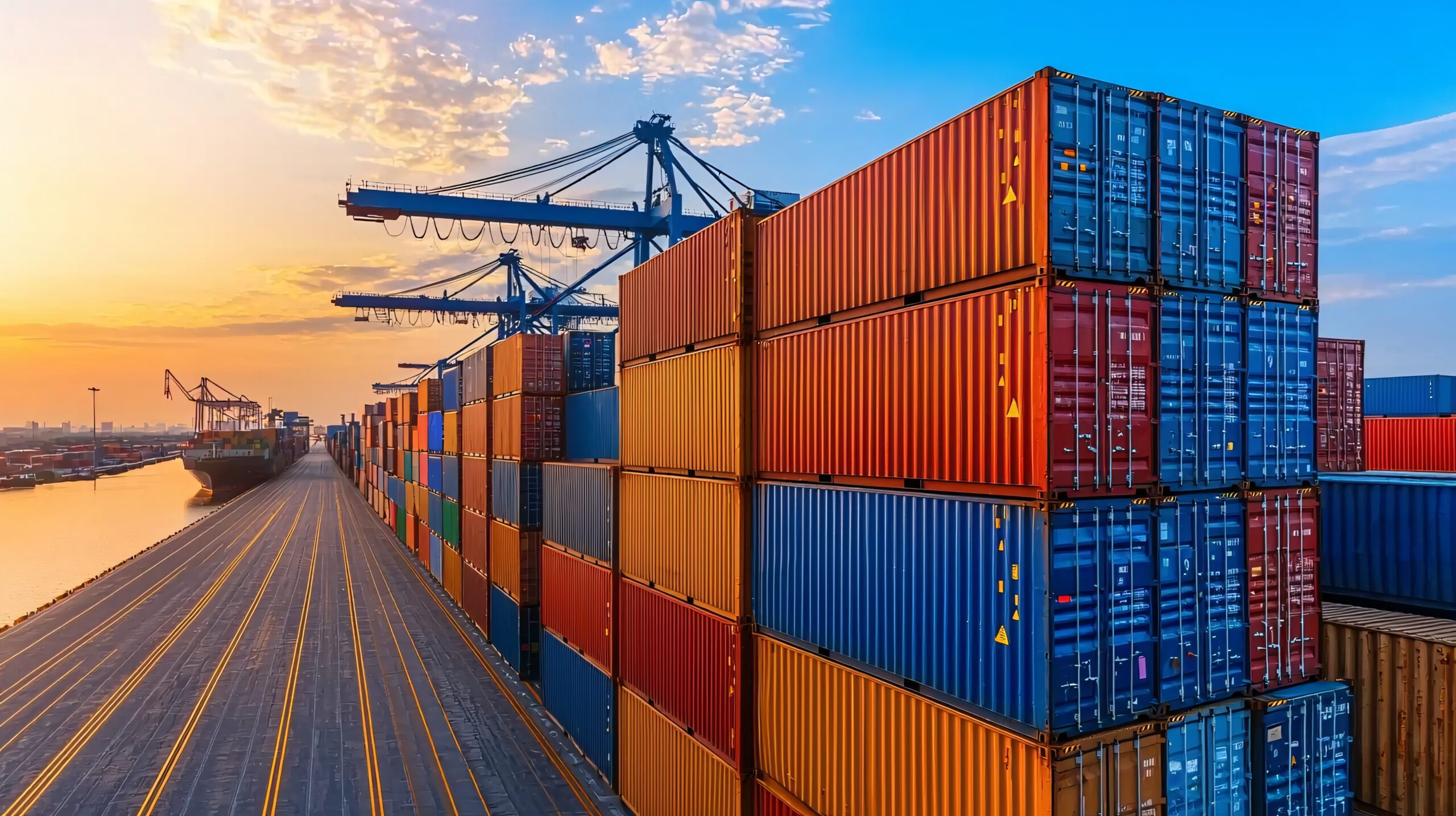
The race to build artificial intelligence infrastructure is creating ripple effects beyond the technology sector. It drives demand for imported equipment, influences global shipping patterns, and introduces new compliance considerations for businesses moving high-value technology products into the United States.
Recent trade data from the United States and China point to the same trend: investment in data centers and AI capabilities is increasing the movement of servers, semiconductors, networking equipment, and related components across global supply chains.
Record Capital Goods Imports Lift U.S. Trade Deficit
According to the U.S. Department of Commerce, the U.S. goods and services trade deficit widened to $77.6 billion in May, the largest monthly gap in over a year. Imports rose to $395.3 billion, including a record $128.0 billion in capital goods imports.
The increase coincides with continued investment in AI infrastructure as companies expand data centers requiring large volumes of imported computing, semiconductor, and networking equipment.
U.S. exports declined to $317.7 billion during the month. The widening gap reflects stronger demand for imported capital goods and shifts in several major export categories.
China’s Export Growth Reflects Strong Technology Demand
Trade data released by China points to the same global pattern. June exports increased sharply from the previous year, with semiconductors among the country’s strongest-performing export categories in the first half of 2026.
Industry observers note continued global demand for AI hardware and manufacturers accelerating shipments ahead of potential changes to U.S. tariff policy.
For U.S. importers, these trends suggest that technology-related cargo volumes could remain elevated through the second half of the year.
What Importers Should Consider
High-Value Cargo Requires Greater Compliance Accuracy
AI servers, GPUs, semiconductors, and networking equipment often have exceptionally high unit values. This increases the financial impact of classification, valuation, and documentation errors.
Importers should review HTS classifications, customs valuation methods, and supporting records to confirm high-value technology products are entered accurately.
Trade Policy Continues to Evolve
Semiconductors and semiconductor manufacturing equipment remain under increased government scrutiny, including an ongoing Section 232 investigation. Additional trade measures affecting AI-related products may be considered as import volumes rise.
Importers should monitor policy developments and evaluate how tariff changes could affect landed costs and sourcing decisions.
Front-Loading Could Pressure Capacity
Manufacturers may continue accelerating U.S.-bound shipments ahead of tariff changes. This could place additional pressure on trans-Pacific capacity and freight rates through Q3 and into Q4.
Ongoing disruptions affecting Middle East shipping routes may add further strain to global freight networks and transit times.
Review Continuous Bond Sufficiency
Higher shipment values and increased duty exposure can quickly impact an importer’s continuous bond sufficiency.
Businesses importing high-value technology products should evaluate their bond capacity before CBP identifies a deficiency that could delay entries or impose additional administrative requirements.
Preparing for Continued Growth in AI-Related Trade
The expansion of AI infrastructure is creating new opportunities across global technology supply chains and increasing the importance of accurate classification, valuation, bond management, and tariff planning.
Importers should review their current compliance practices and consider whether their customs and logistics strategies are keeping pace with the value and volume of today’s technology shipments.
Contact the Alba team; we are ready to assist you.
Want updates like this in your inbox? Subscribe to the newsletter.