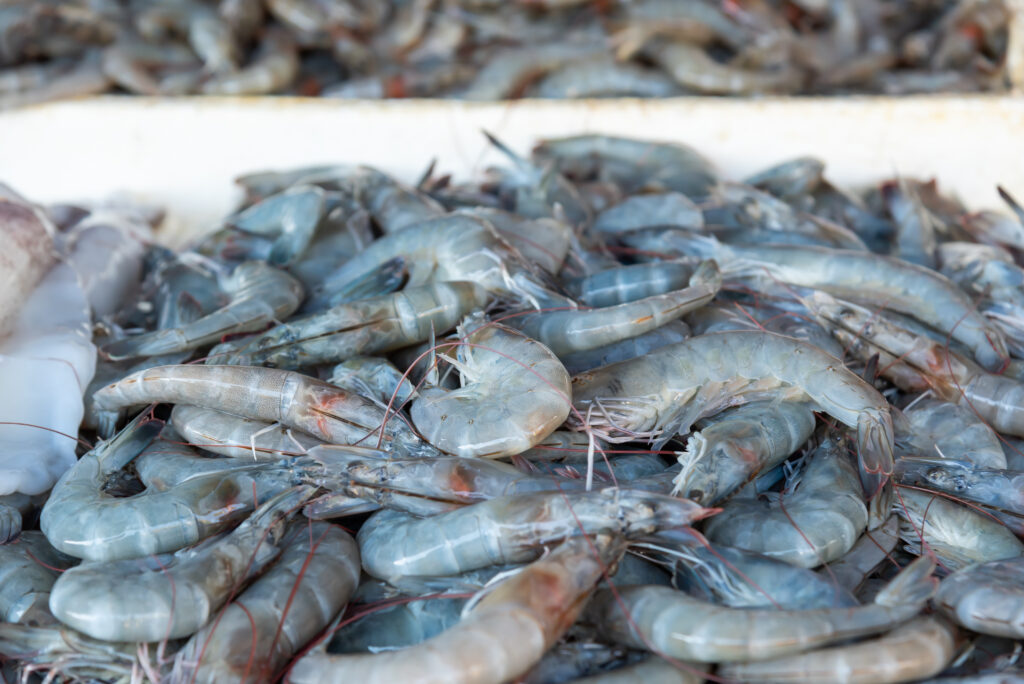
The U.S. Department of Commerce has issued final results in its 2024–2025 administrative review of the antidumping duty order on certain frozen warmwater shrimp from India, establishing new cash-deposit rates for several exporters and producers.
The rates apply to covered merchandise entered for consumption, or withdrawn from warehouse for consumption, on or after September 4, 2026.
Final Antidumping Rates
Commerce calculated the following weighted-average dumping margins:
- Devi Group: 4.04%
- Sandhya Aqua Exports Private Limited: 7.01%
- Companies not selected for individual examination: 5.53%
The Devi Group includes Devi Fisheries Limited, Satya Seafoods Private Limited, Usha Seafoods and Devi Aquatech Private Limited.
Commerce changed certain calculations from its preliminary results before issuing the final rates. The new rates will remain in effect for covered companies until they are replaced through a later segment of the proceeding.
Not Every Indian Supplier Receives One of These Rates
The final results do not create a universal 5.53% rate for all Indian shrimp. The correct deposit depends on the producer-exporter combination and whether either company has a rate from the current review, a prior review or the original investigation.
Commerce explained that:
- Companies listed in the final results receive the new rate assigned to them.
- Previously reviewed or investigated companies not listed generally retain their most recent company-specific rate.
- If the exporter has no rate but the producer does, the producer’s most recent rate generally applies.
- The all-others rate from the original investigation remains 10.17% for combinations without another applicable rate.
Importers should provide complete producer and exporter identities to their customs broker before entry. A commercial brand, distributor name or abbreviated supplier name may not be enough to select the correct case number and deposit rate.
Final Deposits and Past-Entry Assessments Are Different
The rates effective September 4 apply prospectively as cash deposits on new entries. Commerce will separately issue assessment instructions for entries made during the review period, February 1, 2024, through January 31, 2025.
For examined companies, assessment rates may be calculated at the importer level. Commerce’s automatic-assessment policy can also affect entries involving intermediaries when a producer did not know that merchandise was destined for the United States.
Importers should therefore distinguish three questions:
- What deposit rate applies to today’s shipment?
- What assessment rate will apply to entries from the completed review period?
- Are any entries protected by litigation or an injunction against liquidation?
Additional Duties May Still Apply
The antidumping deposit is only one component of the import cost. Indian shrimp may also be subject to countervailing duties, ordinary customs duties, fees and applicable FDA, NOAA or other partner-government-agency requirements.
Companies should calculate the complete entry cost and confirm that their continuous bond is sufficient for the combined exposure.
What Seafood Importers Should Do
Importers of Indian shrimp should:
- Verify the full legal names of the producer and exporter.
- Match each supplier combination to the correct AD case rate.
- Update broker instructions and landed-cost calculations.
- Review bond sufficiency and working-capital needs.
- Maintain production and chain-of-custody records.
- Review older entries that fall within the completed administrative-review period.
- Monitor assessment instructions and any related court litigation.
For more information, review Commerce’s final results.
Contact the Alba team for assistance confirming producer-exporter rates, reviewing entry instructions and managing trade-remedy exposure for seafood imports.
Subscribe to the ASK Alba™ Trade Brief for timely updates affecting perishables, seafood and U.S. trade compliance.