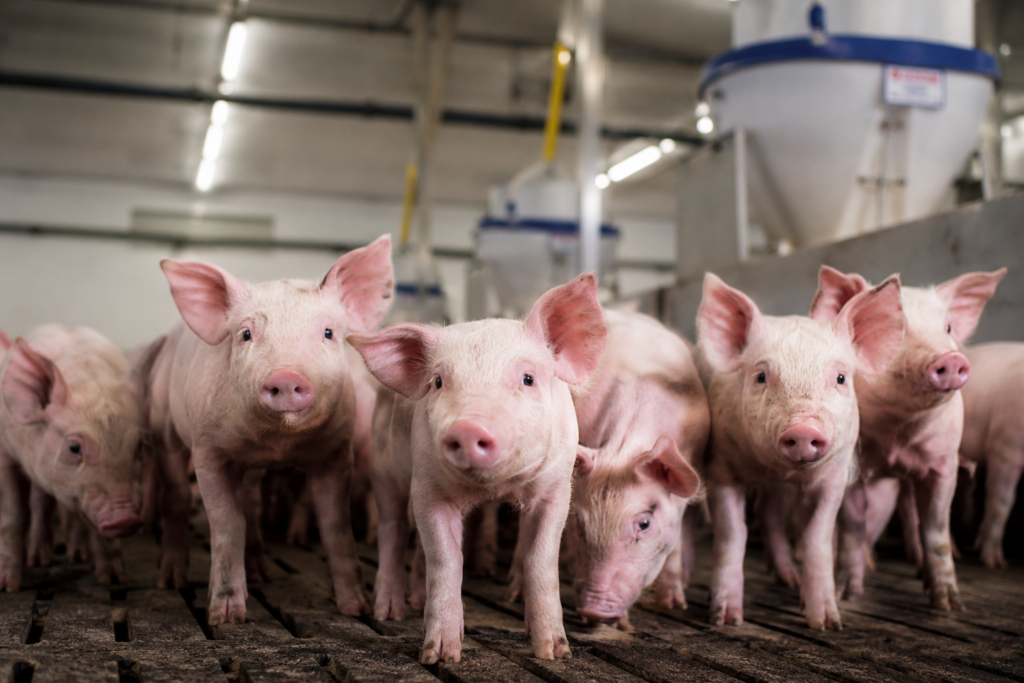
The recent detection of pseudorabies in U.S. commercial swine operations is already creating ripple effects across North American agricultural trade, prompting import restrictions, increased scrutiny, and growing concern across livestock supply chains.
The U.S. Department of Agriculture (USDA) confirmed pseudorabies virus (PRV) antibodies in commercial swine operations in Iowa and Texas — the first such detection in U.S. commercial swine since the disease was declared eradicated from domestic commercial herds in 2004. While officials have emphasized there is no food safety risk to consumers, the discovery has triggered swift responses from trading partners and regulators.
Canada Restricts Certain U.S. Swine Imports
Following the confirmed cases, Canada implemented temporary restrictions on select U.S. swine-related imports considered higher risk for disease transmission. According to industry and regulatory reports, the restrictions impact:
- Raw inedible swine by-products
- Untreated swine blood products
- Raw swine manure
Export certification for these products has reportedly been suspended until further notice. However, shipments certified before the restrictions took effect may still be eligible for entry.
Canadian authorities and industry groups are also increasing biosecurity monitoring efforts to help protect domestic livestock operations and limit potential disease exposure.
Additional Export Concerns Emerging
Canada is not the only market reacting to the development. Industry reports indicate Mexico has also introduced additional scrutiny surrounding certain U.S. pork-related imports, particularly involving sanitary documentation and admissibility requirements.
Agricultural trade analysts warn the situation could create broader implications for:
- Swine genetics exports
- Animal by-products
- Feed ingredients
- Veterinary certifications
- Cross-border agricultural logistics
As investigations continue, import requirements and export protocols may evolve quickly depending on additional findings or outbreak containment efforts.
Why This Matters for Importers and Exporters
Animal health events can rapidly disrupt cross-border supply chains, especially in highly regulated agricultural sectors where admissibility requirements are closely tied to disease status and export certifications.
Companies involved in livestock, agriculture, food production, or animal by-products should prepare for:
- Increased customs and inspection scrutiny
- Delays tied to veterinary certification reviews
- Additional documentation requirements
- Potential shipment holds or rerouting
- Changing admissibility conditions between trading partners
Importers and exporters should also closely monitor updates from USDA APHIS, the Canadian Food Inspection Agency (CFIA), and other regulatory authorities as the situation develops.
The Bigger Trade Compliance Picture
The pseudorabies cases highlight how quickly biosecurity concerns can become trade compliance challenges. In tightly integrated North American supply chains, even targeted restrictions can impact transportation planning, customs clearance timelines, inventory management, and customer delivery expectations.
For companies operating across agricultural supply chains, maintaining visibility into evolving import restrictions and export certification requirements will be critical to minimizing disruption.
How Alba Can Help
Alba’s customs brokerage and trade compliance teams help agricultural importers and exporters navigate changing regulatory requirements, admissibility restrictions, and cross-border logistics challenges. From customs clearance coordination to documentation guidance and supply chain support, our experts help businesses stay compliant and keep cargo moving during rapidly evolving trade events.
Contact us: Alba Wheels Up Contact Us