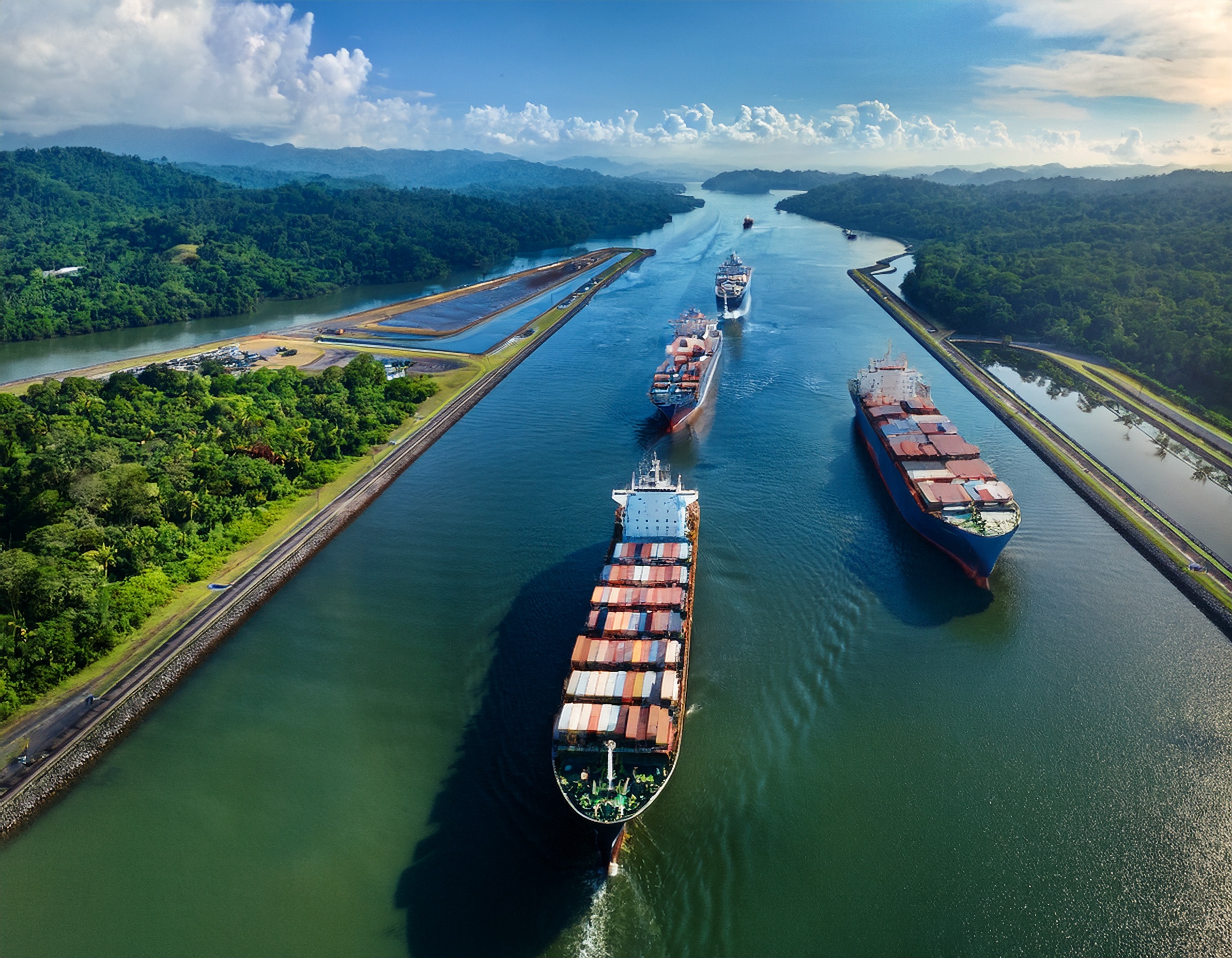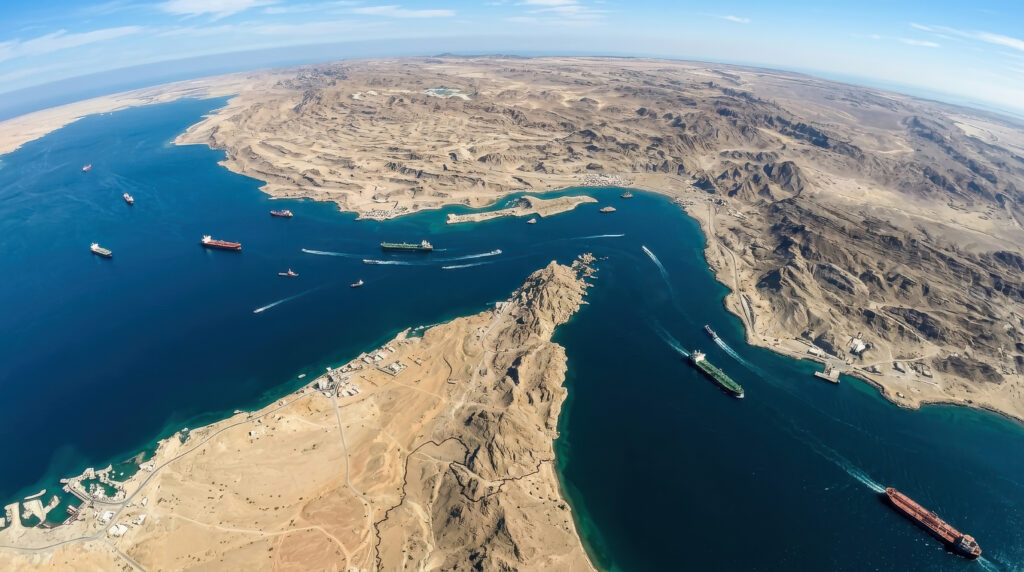
A newly announced framework agreement between the United States and Iran has raised expectations for the eventual reopening of the Strait of Hormuz, one of the world’s most important maritime chokepoints. The waterway is responsible for the movement of approximately 20% of global oil shipments and serves as a critical route for energy and commodity trade.
While the agreement has been welcomed across the maritime industry, carriers and vessel operators are taking a measured approach before restoring normal operations. Safety concerns remain a priority, and shipping lines are waiting for additional details and assurances before committing to regular transits.
Operational Challenges Remain
Even with progress toward reopening, several issues must be addressed before vessel traffic can fully return to pre-conflict levels, including:
- Clearance of mines and navigational hazards
- Repositioning of vessels delayed or stranded during the disruption
- Restoration of reliable transit routes
- Rebalancing of carrier networks and schedules
- Management of cargo backlogs and congestion
Industry experts caution that rebuilding confidence among shipowners and insurers could take weeks or even months.
Fuel Costs and Supply Chains Impacted
The disruption in the region contributed to higher bunker fuel prices and widespread schedule volatility across global trades. Although oil prices and fuel costs have eased following news of the agreement, shipping companies continue to monitor conditions closely. Major carriers, including Maersk, have indicated that it is too early to determine when normal operations through the region can safely resume.
Importers Should Continue Monitoring Developments
A reopening of the Strait of Hormuz would provide welcome relief to global supply chains, but immediate normalization should not be expected. Importers and exporters should remain prepared for ongoing schedule adjustments, capacity imbalances, and potential fluctuations in transportation costs as carriers gradually restore services.
Alba’s team will continue monitoring developments affecting ocean freight, energy markets, and global trade flows.
ASK Alba™ – Answers • Solutions • Knowledge
For assistance navigating supply chain disruptions and international shipping challenges, contact the Alba team at: