JMIC Advisory Highlights Elevated Risk Across Key Shipping Corridors
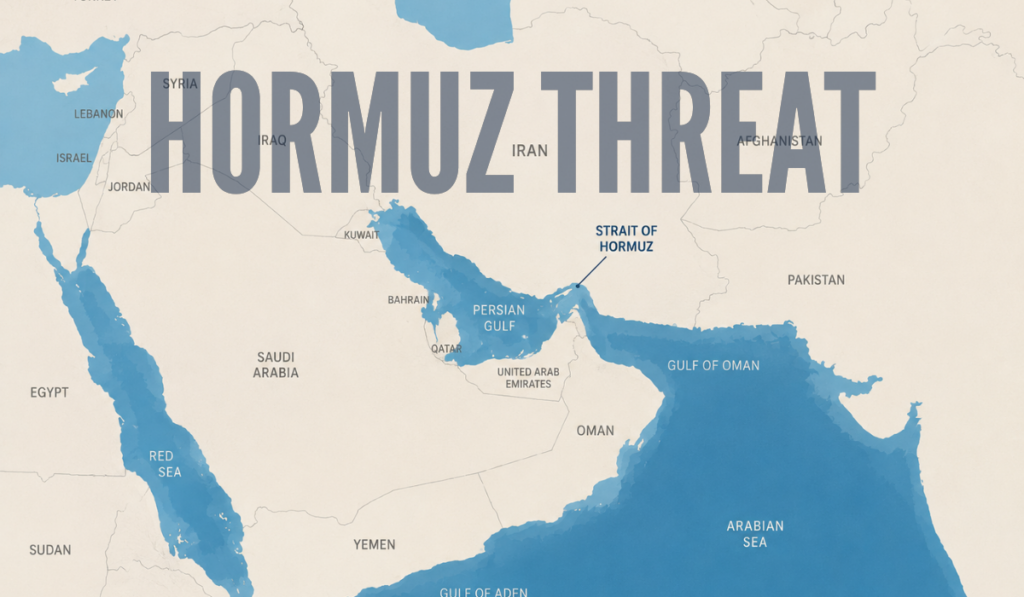
The Joint Maritime Information Center (JMIC) has maintained a CRITICAL regional threat level for the Strait of Hormuz following a reported attack on a commercial vessel near Iranian waters on May 3, 2026. The latest JMIC Advisory Update 041 highlights continued security concerns across the Strait of Hormuz, Somali Basin, Red Sea, and Bab el-Mandeb chokepoints, reinforcing the need for heightened vigilance among vessel operators, charterers, and supply chain stakeholders.
According to the advisory, the master of a northbound bulk carrier reported being approached and attacked by multiple small craft approximately 11 nautical miles west of Sirik, Iran. The vessel was able to depart the area safely without reported casualties or boarding.
Increased Activity Near the Traffic Separation Scheme (TSS)
Maritime operators continue to report aggressive VHF radio hailing and assertive maneuvering by Iranian naval units near the Traffic Separation Scheme (TSS). JMIC also noted that the threat of naval mines in and around the TSS remains a concern due to multiple recent reports from vessels transiting the region.
While incidents involving GNSS and AIS interference have decreased compared to elevated disruption levels reported in March, sporadic electronic interference continues to affect vessel navigation and communications in portions of the Gulf region.
The advisory also reiterates guidance from U.S. Maritime Administration (MARAD) Advisory 2026-004, which remains active. Vessel operators are advised to:
- Avoid responding to diversion instructions from unverified sources
- Maintain a minimum distance of 30 nautical miles from U.S. naval vessels whenever possible
- Maintain continuous monitoring of VHF Channel 16
- Immediately report suspicious activity or incidents to UKMTO
Somali Basin Threat Assessed as SEVERE
JMIC continues to assess the Somali coast and Somali Basin threat level as SEVERE following renewed pirate activity in the region. Three merchant vessels are currently being held by Somali pirates, and authorities report that a hijacked dhow is actively being used as a pirate mothership capable of supporting extended-range operations.
Weather conditions in the region are currently favorable for small-boat pirate action group (PAG) activity, increasing the risk to commercial shipping transiting the western Indian Ocean.
Red Sea and Suez Canal Conditions Remain Mixed
The southern Red Sea and Bab el-Mandeb Strait continue to carry a SUBSTANTIAL risk level despite no confirmed operational indicators tied to Houthi activity since the ceasefire announcement. JMIC noted that Houthi messaging and rhetoric continue to circulate, maintaining uncertainty for regional shipping.
Meanwhile, the northern Red Sea and Suez Canal are currently assessed at MODERATE risk. Canal operations remain normal, though vessels have reported periodic electromagnetic interference (EMI) near Cyprus and portions of the Levant.
What This Means for Importers and Logistics Providers
Continued instability across major maritime corridors creates additional operational and financial pressures for global supply chains. Importers and logistics providers should closely monitor carrier routing decisions, potential transit delays, and evolving war-risk insurance requirements tied to Hormuz and Red Sea transits.
Companies moving cargo through the Middle East, Red Sea, or East African shipping lanes should review contingency plans and maintain close communication with carriers, customs brokers, and maritime security partners as conditions evolve.
Sources
- UKMTO JMIC Advisory Update 041
- MARAD Advisory 2026-004
- Skuld