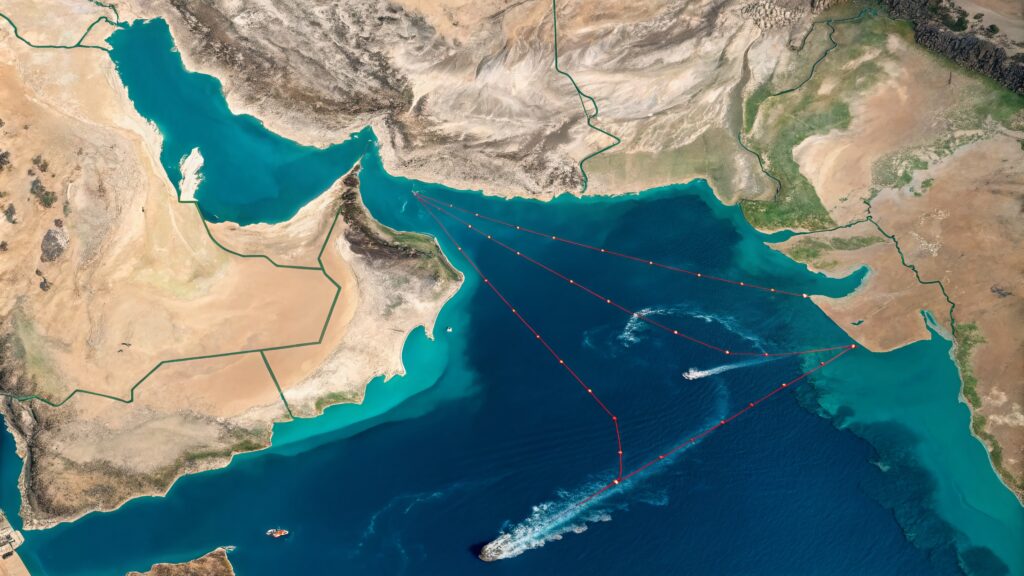
Geopolitical tensions prompt caution for global energy shipments and maritime operators
On February 28, 2026, vessels transiting the Strait of Hormuz reported receiving radio warnings from Iran’s Islamic Revolutionary Guard Corps (IRGC) stating that ships were not permitted to pass through the strait, according to officials from the European Union Naval Force monitoring maritime activity in the region.The warnings follow recent U.S. and Israeli strikes on Iranian targets, which have increased geopolitical tensions across the Gulf region. In response, several energy companies and shipping operators have reportedly paused or delayed tanker movements through the strait, while some governments have advised vessels to avoid the Persian Gulf and surrounding waters as a precaution.
Why This Matters for Importers and Supply Chains
The Strait of Hormuz is one of the world’s most critical maritime chokepoints, serving as a primary transit route for global oil and liquefied natural gas (LNG) shipments. Any disruption — even temporary — can create ripple effects across international supply chains, including:
Energy price volatility and fuel cost increasesDelays in tanker and container vessel schedulesIncreased marine insurance premiums and risk surchargesPotential rerouting of shipments with longer transit timesMarket uncertainty affecting procurement planning
Companies dependent on energy imports, petrochemical feedstocks, or goods transiting through Gulf ports should closely monitor developments and evaluate contingency plans.
What to Watch Next
Authorities and maritime operators continue to monitor the situation, with risk levels tied closely to geopolitical developments in the region. Key indicators to watch include:
Changes in naval or security advisoriesInsurance and war-risk premium adjustmentsShipping carrier route modificationsGovernment travel or maritime warningsEscalation or de-escalation of regional conflict
While the strait remains open at this time, heightened tensions increase the potential for disruption with little notice.
How Alba Can Help
Alba’s global logistics and customs experts monitor geopolitical and regulatory developments that may impact supply chains. Our team can assist importers with:
Shipment risk assessments and routing strategiesCustoms and compliance guidance for affected trade lanesSupply chain contingency planningReal-time advisory support during disruptions