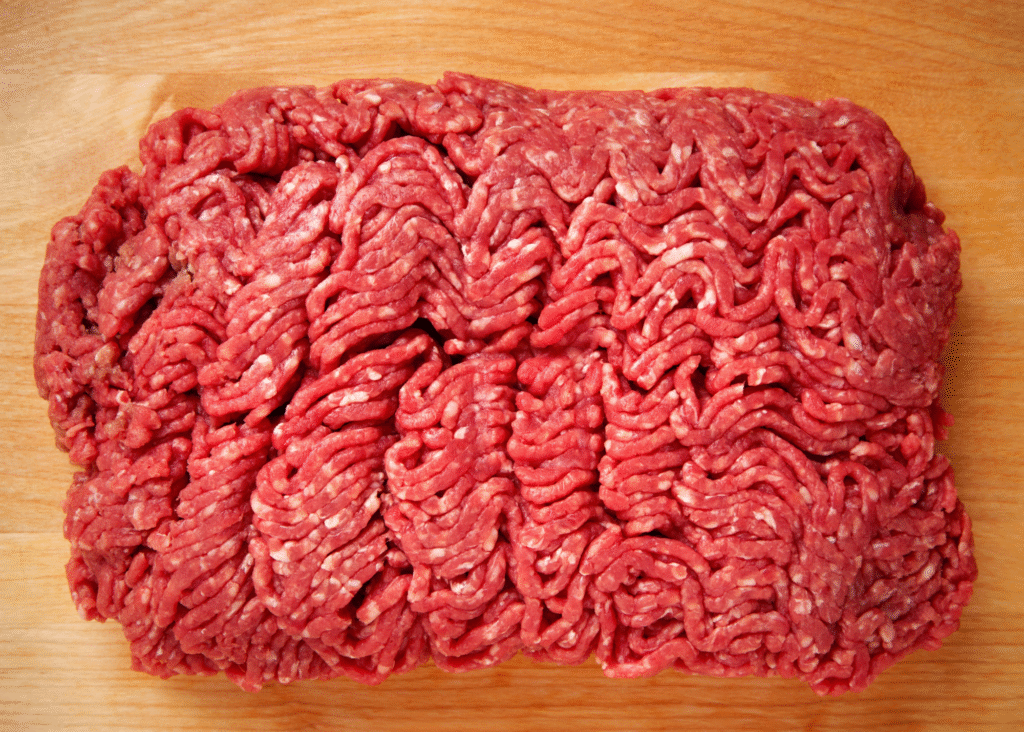
One-time emergency TRQ creates limited duty opportunity for beef lean trimmings — but quota timing will decide who benefits
A new Executive Order has created a one-time emergency tariff-rate quota (TRQ) for Argentine beef in 2026, giving importers a limited chance to bring in qualifying beef lean trimmings under quota treatment.
The headline number — 80,000 metric tons — sounds large. The operational reality is tighter. The quota is split into quarterly caps, applies only to specific products, and will be administered first-come, first-served. That means planning and entry timing will matter more than volume on paper.
For importers working with Argentine suppliers, this is a targeted opportunity — not an automatic benefit.
What Changed
The Executive Order establishes a temporary, Argentina-specific beef TRQ for calendar year 2026 only.
Key details:
- Applies only to Argentine beef lean trimmings
- 80,000 MT total volume
- Divided into four quarterly tranches of 20,000 MT
- First-come, first-served administration
- First tranche opens February 13, 2026
- Limited to specific HS classifications
- Does not replace Argentina’s existing 20,000 MT WTO quota — this is additional
Once a quarterly cap is reached, entries move to out-of-quota duty rates.
Why Importers Should Pay Attention
Quota programs don’t reward awareness — they reward preparation.
Importers that qualify may gain:
- Lower duty treatment inside quota
- More sourcing flexibility for grinding beef inputs
- Short-term landed cost advantages
But those benefits depend on:
- Correct classification
- Product eligibility
- Entry timing
- Real-time quota availability
Waiting until goods are already in transit is often too late in first-come quota programs.
Not All Beef Qualifies
This TRQ is product-specific, not category-wide. Only certain beef lean trimming classifications are eligible.
Assuming eligibility without validating classification can lead to:
- Quota rejection
- Re-rated duties
- Post-entry corrections
- Avoidable compliance risk
Pre-entry review is strongly recommended before attempting quota claims.
Will This Bring Beef Prices Down?
The policy is tied to high U.S. beef prices and tight domestic cattle supply — but most market analysts expect only modest downstream price impact.
The added quota volume is small compared to total U.S. consumption. The more likely effect is upstream — helping processors with lean trimming supply — rather than a noticeable drop in retail prices.
For importers, the practical takeaway is this: the value is in quota access and duty planning, not price swings.
Quota entries are timing-sensitive and documentation-sensitive. Small errors can erase the benefit
Alba helps importers:
- Confirm HS classification
- Validate quota eligibility
- Plan entry timing
- Prepare documentation
- Monitor quota fill status
- Model inside vs. outside quota duty impact
We are monitoring CBP rollout details and will share operational guidance as it is issued.tes if formal designations or trade actions emerge.
Speak to an Alba Expert for Support
If you have questions, please reach out, contact us.
The Executive Order is available here.