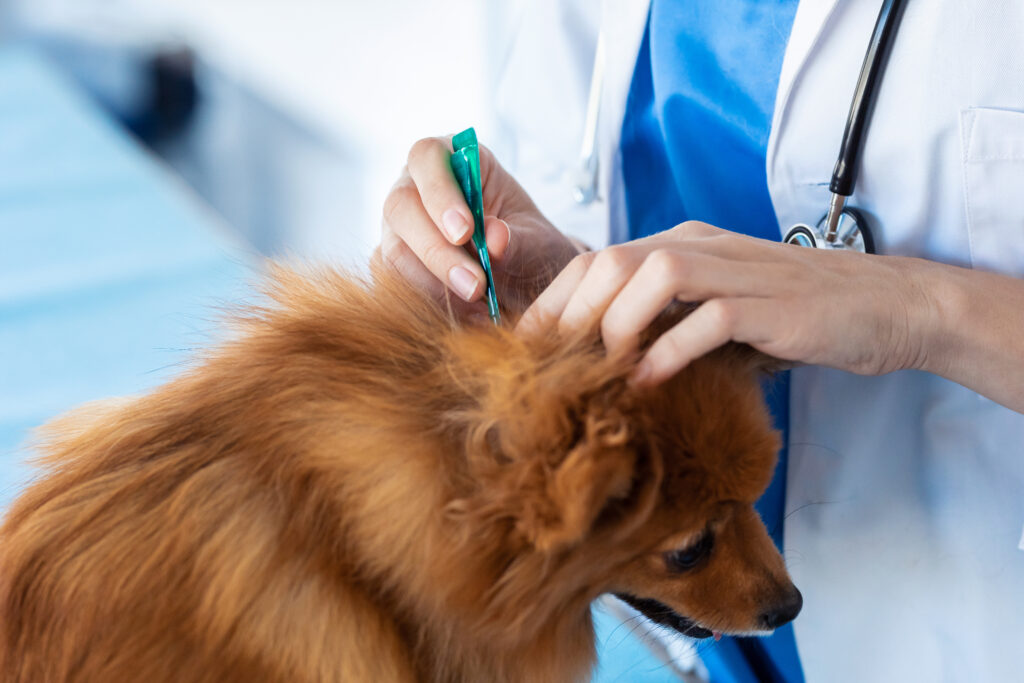
On June 24, 2026, FDA’s Center for Veterinary Medicine (CVM) finalized nine internationally harmonized guidance documents governing how sponsors must demonstrate the effectiveness of anthelmintics — the deworming drugs used across companion animal, livestock, and poultry medicine. The package consists of one general framework guidance and eight species-specific companions covering cattle, sheep, goats, horses, swine, dogs, cats, and chickens.
These guidances were developed through the International Cooperation on Harmonisation of Technical Requirements for Registration of Veterinary Medicinal Products (VICH) — a tripartite program involving the U.S., European Union, and Japan, with Australia, New Zealand, Canada, South Africa, and the United Kingdom as additional standing members. For companies that develop, manufacture, or distribute veterinary pharmaceuticals across these markets, the finalization closes out a process that began with draft guidances in August 2022.
What the Guidances Cover
The foundational document, GFI #90 (VICH GL7), “Effectiveness of Anthelmintics: General Recommendations,” sets out the core study design principles sponsors must follow to generate effectiveness data: good clinical practice standards, evaluation of effectiveness data, classification of infection types and parasite strains, product equivalence, calculation methods for effectiveness, standards of effectiveness, definitions of helminth claims, and the process for supporting new label indications.
Each of the eight species-specific guidances builds on that general framework, flagging where a given species requires different study parameters, explaining disparities from the general recommendations, and addressing issues unique to that species’ parasite biology and clinical testing environment. The full set:
| Species | FDA Guidance No. | VICH Designation |
| Bovines (cattle) | GFI #95 | VICH GL12 |
| Ovines (sheep) | GFI #96 | VICH GL13 |
| Caprines (goats) | GFI #97 | VICH GL14 |
| Equines (horses) | GFI #109 | VICH GL15 |
| Porcines (swine) | GFI #110 | VICH GL16 |
| Canines (dogs) | GFI #111 | VICH GL19 |
| Felines (cats) | GFI #113 | VICH GL20 |
| Chickens (Gallus gallus) | GFI #114 | VICH GL21 |
Why Harmonization Is the Real Story
The substance of these guidances is technical — they govern how efficacy trials are designed, not how products clear customs. But the harmonization mechanism behind them has a direct bearing on global veterinary drug supply chains. Because the same study design standards now apply uniformly across VICH member regions, a sponsor can generate a single effectiveness data package and use it to support registration submissions in the U.S., EU, and Japan simultaneously, rather than running separate, region-specific trials to satisfy each regulator.
For companies sourcing or distributing veterinary pharmaceuticals and APIs internationally, that translates into:
- Faster multi-market registration: a single VICH-aligned data package can support simultaneous filings instead of sequential, market-by-market submissions, shortening the runway to commercial import volume in each region.
- Lower development and compliance costs: eliminating duplicative trials reduces the cost of bringing new anthelmintic products — spanning companion animal, livestock, and poultry applications — to multiple markets.
- More predictable supply planning: with finalized (not draft) standards now in place, sponsors and their logistics partners have a stable basis for forecasting when newly approved products will reach commercial-scale import and distribution.
Because all nine guidances are now final, rather than draft, animal health companies operating in U.S., EU, and Japanese markets should treat them as the current baseline for effectiveness study design — there is no further public comment period attached to this release.
ASK Alba™
Answers • Solutions • Knowledge
As global harmonization reshapes how veterinary pharmaceuticals move from development to market, the logistics behind getting those products across borders stay just as complex. Alba Wheels Up International helps pharmaceutical and animal health importers navigate customs brokerage, FDA and USDA coordination, and trade compliance for regulated products entering the U.S. market. Contact Alba today to talk with a licensed customs broker.
References
Federal Register: Specific Recommendations for Bovines (June 24, 2026)
Federal Register: Specific Recommendations for Ovines (June 24, 2026)
Federal Register: Specific Recommendations for Caprines (June 24, 2026)
Federal Register: Specific Recommendations for Equines (June 24, 2026)
Federal Register: Specific Recommendations for Porcines (June 24, 2026)
Federal Register: Specific Recommendations for Canines (June 24, 2026)
Federal Register: Specific Recommendations for Felines (June 24, 2026)
Federal Register: Specific Recommendations for Chickens—Gallus gallus (June 24, 2026)FDA: Anthelmintics Guidances (CVM guidance index)