What importers should be watching
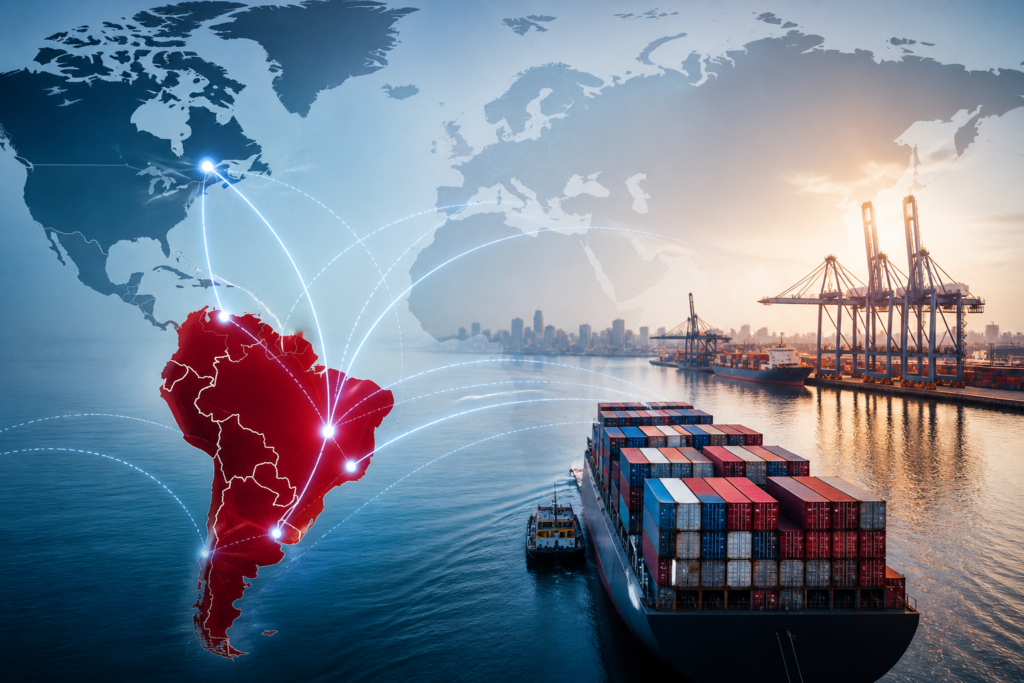
Canada and the Mercosur trade bloc—Argentina, Brazil, Paraguay, and Uruguay—are accelerating negotiations toward a potential free trade agreement, with progress pointing toward a possible conclusion in 2026.
The agreement would connect Canada to a market of more than 280 million consumers and expand access across key South American economies.
What Could Change
While final terms are still under negotiation, the agreement is expected to include:
- Tariff reductions across industrial goods, agriculture, and natural resources
- Expanded market access for both Canadian and Mercosur exporters
- New rules of origin and compliance requirements tied to preferential treatment
Where Risk Remains
- Agricultural pressure: Lower-cost Mercosur exports could increase competition
- Regulatory gaps: Differences in environmental, labor, and compliance standards
- Trade rules: Digital trade and data provisions remain unclear
What Importers Should Do
- Monitor negotiations for sector-specific impacts
- Evaluate sourcing strategies for potential South American expansion
- Prepare for compliance changes, including rules of origin and documentation
- Assess tariff exposure and potential cost shifts
How Alba Can Help
The Alba Group supports importers in navigating evolving trade agreements with clarity and precision.
- Trade advisory: Evaluate how tariff changes and rules of origin will impact your supply chain
- Customs compliance: Prepare documentation and processes ahead of implementation
- Sourcing strategy support: Identify opportunities while mitigating regulatory and cost risk
- Ongoing monitoring: Stay ahead of agreement developments and enforcement changes
As new trade frameworks emerge, early preparation is key to capturing benefits while avoiding disruption.