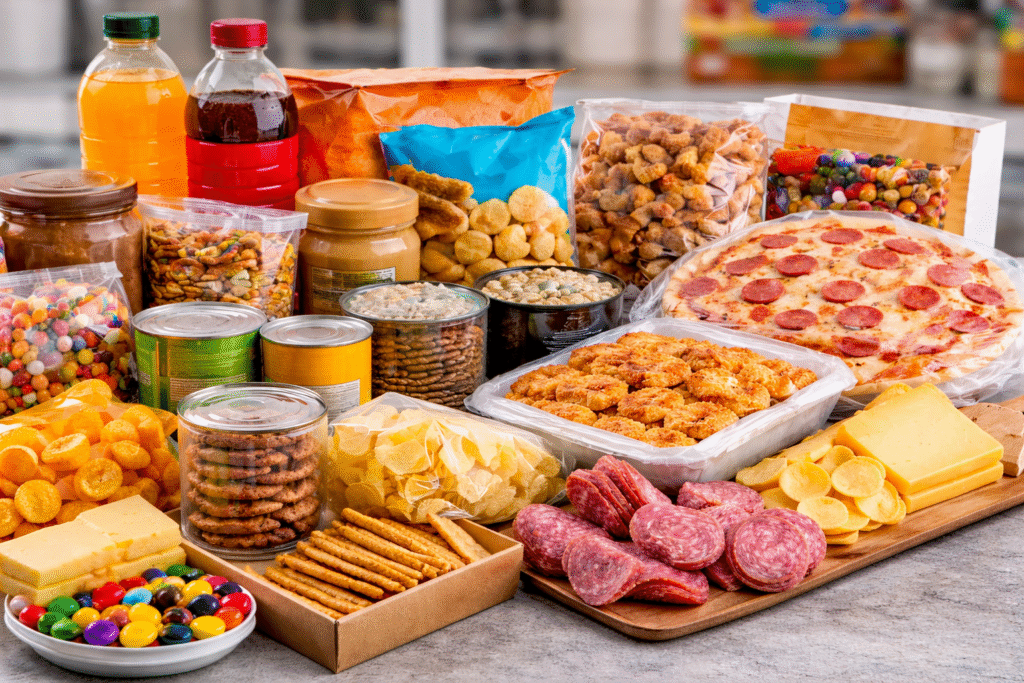
FDA begins a comprehensive review of a widely used food preservative as part of its broader chemical safety modernization program.
What Did the FDA Announce About BHA?
On February 10, 2026, the U.S. Food and Drug Administration (FDA) announced it is launching a comprehensive reassessment of butylated hydroxyanisole (BHA), a chemical preservative used in food and food-contact materials.
The agency issued a Request for Information (RFI) seeking updated scientific data and industry usage information to determine whether BHA remains safe under current conditions of use.
This review is part of the FDA’s broader initiative to proactively evaluate chemicals already present in the food supply through a strengthened post-market assessment program launched in 2025.
What Is BHA and Where Is It Used?
BHA is a synthetic antioxidant used to prevent fats and oils from becoming rancid, extending product shelf life.
It may be found in products such as:
- Breakfast cereals
- Frozen meals
- Cookies and snack foods
- Candy and ice cream
- Meat and processed foods
- Food packaging materials
The FDA originally classified BHA as Generally Recognized as Safe (GRAS) in 1958 and approved it as a food additive in 1961.
Why Is the FDA Reviewing BHA Now?
The reassessment is being driven by:
- Updated scientific concerns — The National Toxicology Program has listed BHA as “reasonably anticipated to be a human carcinogen” based on animal studies.
- Longstanding advocacy petitions — Health groups have requested reevaluation for years.
- FDA modernization efforts — The agency is shifting toward more proactive review of legacy food chemicals rather than relying on decades-old determinations.
The FDA has also indicated that similar reviews may follow for other additives, including BHT and azodicarbonamide.
Is BHA Being Banned?
No. At this stage:
- BHA remains authorized for use in the United States.
- The FDA is conducting a scientific reassessment, not a regulatory prohibition.
- Future action will depend on the outcome of the review.
However, the process signals increased regulatory scrutiny and potential future changes.
What Does This Mean for Importers and Food Manufacturers?
Companies importing or distributing food products containing BHA should consider:
1. Ingredient Transparency
Ensure formulations and supplier documentation accurately identify preservatives used in products and packaging materials.
2. Supplier Communication
Manufacturers may begin evaluating reformulation options in anticipation of possible regulatory changes.
3. Labeling and Compliance Risk
If FDA policy evolves, labeling updates or reformulation timelines could follow.
4. Global Regulatory Alignment
Some jurisdictions already impose restrictions or warning requirements on certain synthetic additives, which may affect multinational supply chains.
Could This Affect Imported Foods?
Yes. FDA ingredient determinations apply equally to:
- Domestic manufacturers
- Imported finished goods
- Ingredients used in imported food products
If regulatory changes occur in the future, importers would need to ensure products entering the U.S. market meet updated requirements.
What Should Companies Do Now?
At this stage, the best approach is preparation rather than immediate action:
- Monitor FDA developments and timelines
- Review product formulations and supplier declarations
- Identify potential reformulation alternatives if needed
- Assess exposure across product portfolios
How Alba Can Help
Alba supports importers and food companies with:
- Regulatory monitoring and compliance strategy
- Supplier documentation reviews
- Import admissibility risk assessments
- Labeling and formulation compliance guidance
If your products contain preservatives or specialty ingredients, proactive planning can reduce disruption if regulatory requirements change.